Sensor-light construction and sample verification

What goes into two TUODI builds: the factory describes the Microwave Ceiling Switch (TDL-1915) as built with a shielded and calibrated 5.8 GHz RF design, surge and ESD protection and a double-layer thick-copper PCB, and the compared configuration of the Rechargeable PIR Cabinet Light (TDL-6110X) as built with anodised aluminium, CRI ≥80, a Senba PIR and a protected 3000 mAh Li-polymer pack. Below: what goes into each build, the stations where it is made and checked, and a sample plan you can send with your enquiry.

TDL-1915 microwave switch and TDL-6110X cabinet light: what goes into the build

Sensing, protection, materials and production controls for each build, as the factory describes them. The factory-reported defect-rate comparison is further down this page, with its limits beside it.

TUODI TDL-1915 microwave sensor switch shown from the front and side Microwave sensor switch
Factory-reported comparison

Microwave Ceiling Switch (TDL-1915): designed for more stable sensing and switching

For lighting projects where nuisance triggers, relay stress or installation variation can create costly callbacks.

  • More controlled sensing: shielded and calibrated 5.8 GHz RF design with scene filtering.
  • More electrical protection: RC suppression, MOV, safety Y-capacitor, surge and ESD protection.
  • More robust construction: double-layer thick-copper PCB, V0 PC enclosure and spring terminal.
Explore microwave switches →
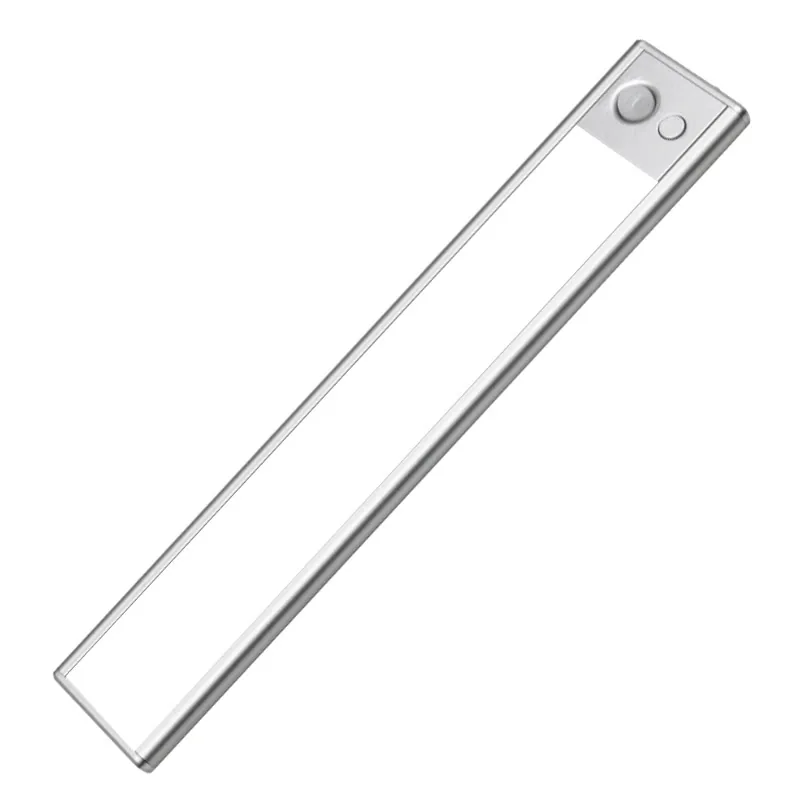
TUODI rechargeable sensor light illuminating a shelf Rechargeable sensor cabinet light
Factory-reported comparison

Rechargeable PIR Cabinet Light (TDL-6110X): designed for consistent light, battery and mounting

For private-label ranges where the buyer needs attractive light output and fewer complaints after charging and installation.

  • More refined light: anodised aluminium, diffusing full-face lens, CRI ≥80 and selectable CCT.
  • More controlled sensing: Senba PIR with daylight inhibition and AUTO1/AUTO2 modes.
  • More complete power design: protected 3000 mAh Li-polymer pack, USB-C and charge-management PCBA in the compared configuration.
Explore sensor cabinet lights →
01

Reduce callbacks

Specify sensing, relay protection, charging and mounting around the real installation—not only the catalogue headline.

02

Protect your brand

Translate critical parts and performance into an approved sample so substitutions are visible before production.

03

Scale with control

Link the golden sample, lot checks and failure remedy to the purchase order before the first volume run.

What sits behind the price difference

Left: the TUODI product. Right: a diagram of what the factory found inside the lower-cost samples it tested. It is not a competitor photograph and not a claim about every low-priced product.

Microwave Ceiling Switch (TDL-1915) factory comparison

A similar-looking microwave switch can be a very different electrical product

For corridors, garages and multi-unit projects, the hidden value is sensing stability, switching protection and repeatable installation.

TUODI TDL-1915 microwave sensor switch TUODI TDL-1915 product image

TUODI build

RFShielded, calibrated 5.8 GHz sensing
RCRelay suppression plus MOV and Y-capacitor
2LDouble-layer thick-copper PCB
V0V0 PC enclosure and spring terminal

Inside the lower-cost samples tested

RFBare generic module and standard firmware
RCSimplified relay and protection stages
1LSingle-layer thin PCB
ABSOrdinary or mixed-material housing
Why you pay more: fewer nuisance triggers, less switching stress and fewer installation callbacks. Prove the RF, relay, protection and terminal configuration on your approved sample.
Rechargeable PIR Cabinet Light (TDL-6110X) factory comparison

A slim cabinet light can hide major differences in battery, optics and charging

For private-label ranges, the commercial risk appears later as weak runtime, uneven light, charging faults or mounting complaints.

TUODI TDL-6110X rechargeable sensor cabinet light TUODI TDL-6110X product image

TUODI build

AL9 mm anodised aluminium housing
PIRSenba sensor and daylight inhibition
LiProtected 3000 mAh Li-polymer pack
CCCharge-management PCBA and USB-C

Inside the lower-cost samples tested

ABSPlastic or thin/recycled aluminium housing
PIRGeneric sensor with simpler daylight control
LiLower-grade cells and simplified protection
PCBThin board and simplified charging stage
Why you pay more: more consistent light, charging, runtime and mounting. Approve the housing, PIR, cell, protection board, adhesive and ageing plan before production.

Full build comparison

The detail behind the diagrams. It describes the TUODI configurations and the lower-cost samples the factory tested, not every low-priced product on the market.

Microwave-switch comparison

Microwave Ceiling Switch (TDL-1915): stability, protection and installation

Compared with unnamed lower-cost 5.8 GHz ceiling-switch samples.

Buyer priorityTDL-1915 buildLower-cost samples testedWhy it matters to your project
Stable sensingShielded 5.8 GHz module, dedicated PCB antenna, output calibration and filtering for adjacent units, fans, animals and airflow.Bare generic modules, simplified antenna and standard firmware without the same calibration or scene filtering.Fewer nuisance triggers and more predictable behaviour in multi-unit installations.
Electrical durabilityPower relay with RC suppression, plus MOV, safety Y-capacitor, surge and ESD protection.Simplified relay and power stages with suppression or protection parts reduced or absent.Better protection against switching stress, interference and unstable loads.
Installation qualityDouble-layer thick-copper PCB, separated line/neutral routing, V0-rated PC enclosure and spring terminal described for 4 mm² solid wire.Single-layer thin PCB, ordinary ABS or mixed recycled material and simpler screw terminals.A stronger electrical and mechanical platform for repeatable installation.
Batch consistencyIncoming-material and board checks; function, range and lux checks; packing inspection; then a stated 5% shipment-lot sample.Incoming parts without the same screening and a basic power-on sample rather than calibrated, multi-unit checks.More opportunities to catch variation before products reach your warehouse.
Cabinet-light comparison

Rechargeable PIR Cabinet Light (TDL-6110X): light quality, battery and mounting

The battery comparison applies to the named 3000 mAh configuration.

Buyer priorityTDL-6110X buildLower-cost samples testedWhy it matters to your range
Light and finish9 mm anodised aluminium housing, CRI ≥80 LEDs, diffusing full-face lens and three selectable colour temperatures.ABS or thin/recycled aluminium with sprayed finish, visible LED hotspots and typically one colour temperature.A more refined product appearance and more consistent light across shelves and cabinets.
Sensor behaviourSenba PIR component with daylight inhibition and AUTO1/AUTO2 modes.Generic PIR components with simpler daylight control and less false-trigger filtering.More useful automatic operation and fewer unwanted daytime activations.
Battery safety and capacityA-grade 3000 mAh lithium-polymer pack with overcharge, over-discharge and short-circuit protection, plus USB-C charging.Lower-grade pouch cells with simplified protection and capacity labels the factory found did not match the tested cells.More confidence in runtime consistency, charging protection and the capacity printed on the pack.
Charging and mountingCustom constant-current PCBA with a complete charge-management stage, thick copper and 3M-branded adhesive in the described pack.Simplified thin-board charging circuits and lower-cost adhesive and packing.More stable charging and better mounting confidence on the intended surface.
Batch consistencyIncoming and PCBA checks; finished-function inspection; stated six-hour charge/ageing stage; packing inspection; then a stated 5% shipment-lot sample.No comparable ageing stage described and only a simple power-on sample.More opportunities to identify charging, function or assembly problems before shipment.

Ask us to quote the exact build you want

Put the critical component, sample and batch-control points in the quotation and acceptance plan. That is how a quality comparison becomes a production requirement.

Build my acceptance plan

Factory-reported defect-rate comparison

A factory-reported comparison, not a predicted defect rate for your order. Comparator identities, sample counts, test dates and failure definitions are not supplied.

Microwave Ceiling Switch (TDL-1915)

TUODI TDL-1915<0.4%
Unnamed lower-cost samples2–5%

Factory benchmark only. Sample counts, test dates and failure definitions were not supplied; this is not an independent result or a forecast for your order.

Rechargeable PIR Cabinet Light (TDL-6110X)

TUODI TDL-6110X≤0.3%
Unnamed lower-cost samples2–5%

Factory benchmark only. Sample counts, test dates and failure definitions were not supplied; this is not an independent result or a forecast for your order.

Production and checking stations

Factory photographs of real production and checking stations.

SMT and reflow equipment on the TUODI factory floor
Factory-supplied photograph

1 · Electronics production

What you can see: SMT and reflow equipment at the TUODI factory.

Factory-supplied illuminated fixture station used during a hands-on light check
Factory-supplied photograph

2 · Repeatable fixture check

What you can see: a light checked in a physical fixture station.

Multiple connected light products illuminated together on a factory test bench
Factory-supplied photograph

3 · Multi-unit and ageing checks

What you can see: multiple connected products illuminated together on a bench.

Laser marking a TUODI logo on an aluminium sensor-light housing
Factory-supplied photograph

4 · OEM marking control

What you can see: laser marking on an aluminium light housing.

A photograph proves the station exists, not a pass result for your SKU. That is why the checks go on your order.

Planning calculator

Estimate battery runtime under your assumptions

Generic 3.7 V battery mathematics only - not a TUODI test result or warranty.

Low end applies a 0.7 allowance for ageing, temperature and brightness variation. Self-discharge becomes material at long estimates.

Build a sample acceptance plan

Select what matters. The result becomes a structured WhatsApp brief so the sample is evaluated against agreed checks, not a vague "looks good".

Acceptance checks

This sends your brief to the international team. It does not claim that any check has already passed.

Inspection options

Sample-first review

Agree acceptance checks before the sample is sent. Record the approved configuration as the production reference.

Buyer-appointed inspection

Your inspector or agency can attend production or pre-shipment checks. Scope and access are agreed with the order.

Coordinated QC & freight

TUODI International and RyanFulfil can coordinate inspection, battery-document checks and the current shipping route.

Add the test your project needs. Battery cycle life, adhesive pull strength or white-noise loop analysis can go into the sample plan. Agree the method and pass limit before testing.

After-sales contact and warranty

You should know who handles a problem, what was agreed and how the remedy works. With TUODI International that is one English-speaking contact from quotation to after-sales.

One contact

Named English contact

Production and after-sales questions go to the international team. Orders can use the factory as seller of record or an arrangement coordinated by RyanFulfil. The quotation must identify the seller, invoice issuer and party responsible for the agreed remedy. Response target: a substantive first reply within one business day.

Current written periods

Model-specific coverage

SR-M01 and SR-T01 faucet adapters: 3-year factory warranty (2026 terms). TDL-6110X 30 / 40 cm: one year on the current quotation.

Agreed per order

Commercial remedy

For models without complete published defect and freight terms, define the failure category, allowance and replacement or credit route on the order before production.

The strongest protection is an approved sample plus a written remedy. A warranty period alone rarely defines what counts as a defect, who pays freight or how a batch problem is handled. The approval record should capture the configuration, production reference and acceptance checks agreed before the run — which is what the sample acceptance plan above is for.

Quality and failure-mode questions

Why does TUODI's TDL-6110X sensor light cost more than a similar-looking cabinet light?
In the factory's own comparison, the compared TDL-6110X build uses a 9 mm anodised aluminium housing, a protected 3000 mAh lithium-polymer pack, a Senba PIR sensor, a custom constant-current PCBA with a complete charging stage, and 3M-branded adhesive in the described pack; the run adds a stated six-hour charge/ageing stage and a 5% shipment-lot sample. The comparison gives a defect rate at or below 0.3% for that build against 2-5% in unnamed samples. Request the test pack, agree the defect definition and confirm the exact build on your sample.
How reliable is TUODI's claimed defect rate for the TDL-1915 and TDL-6110X versus cheaper alternatives?
TUODI's own comparison puts its controlled defect rate below 0.4% for the TDL-1915 microwave switch and at or below 0.3% for the compared TDL-6110X build, versus 2–5% in unnamed lower-cost samples it says it tested. No comparator brand, sample size, test date or pass/fail definition came with those numbers, so read them as the factory's internal benchmark rather than an independently verified or market-wide figure, and request the underlying test data before you rely on them.
What should I check on a TDL-6110X sample before approving a production order?
For the 3000 mAh TDL-6110X configuration, confirm the housing and optics, the PIR component or an approved equivalent, battery chemistry, capacity and protection, the PCBA revision, the adhesive SKU, the ageing conditions and the lot-sampling method. TUODI's acceptance-plan builder turns those checks, plus your model, destination market and intended application, into one structured brief, so the sample is judged against criteria you agreed before production rather than a general impression afterwards.
What are the most common failure modes reported for rechargeable cabinet lights?
In an August 2026 sample of 42 retail reviews of rechargeable cabinet lights — none concerning TUODI products — the most-mentioned buyer complaints were battery, charging or electrical durability (7 of 42), adhesive or magnet mounting weakness (4 of 42), dead-on-arrival, switch or electronics failure (4 of 42), brightness shortfall or deterioration (3 of 42), and sensor timing, interference or activation (2 of 42). Counts are theme mentions rather than measured defect rates, and one review can raise several themes.
Does TUODI's warranty cover the sensor light I want to order?
Written periods are model-specific, not range-wide: the SR-M01 and SR-T01 faucet adapters carry a three-year factory warranty under 2026 terms, and the TDL-6110X in 30 and 40 cm carries one year on the current quotation. Ask for the period covering your exact model, then agree in writing what counts as a defect, the allowance, who pays freight and whether a failed batch is replaced or credited — those terms belong on your proforma invoice before production.
Notes

Station checks to put on your order:

  • Electronics production: confirm the quoted model’s PCBA revision, permitted substitutions and the record linking the board to production.
  • Repeatable fixture check: agree the function, sample quantity, conditions, pass limits and response if a unit fails.
  • Multi-unit and ageing checks: confirm the exact SKU, duration, operating state, sampled quantity and failure disposition before packing.
  • OEM marking control: approve artwork, size and location on a marked golden sample before production.

Production and checking stations: for your order, tie each relevant station to the quoted model, sample plan and acceptance requirement.

Put the practical terms on the proforma invoice: what counts as a failure, the allowance, freight responsibility, and whether the remedy is replacement in the next run or a credit. This gives the buyer a clearer operating agreement than a warranty label by itself.